No City Permit for a Tree on Your Own Private Lot
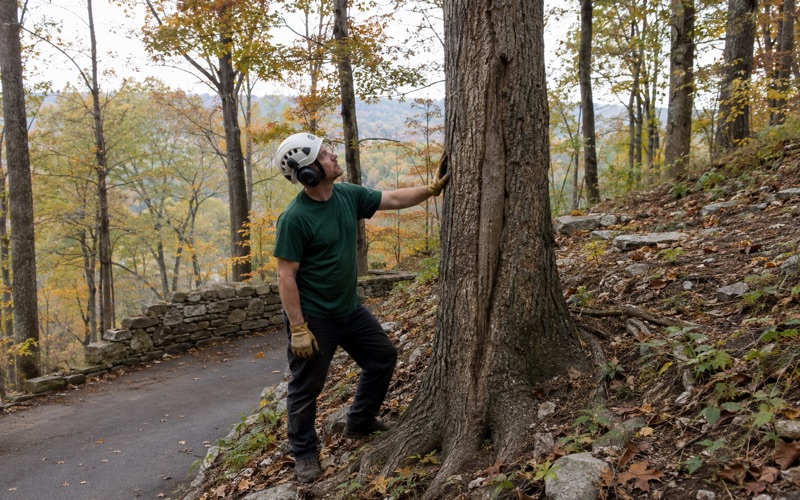
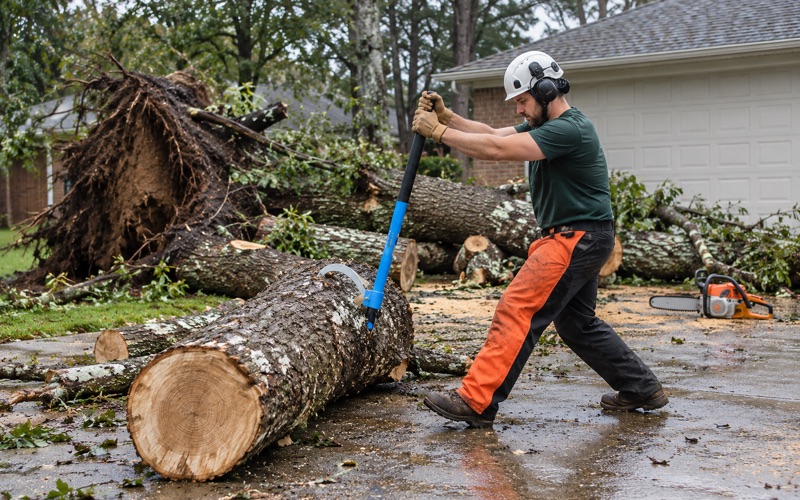
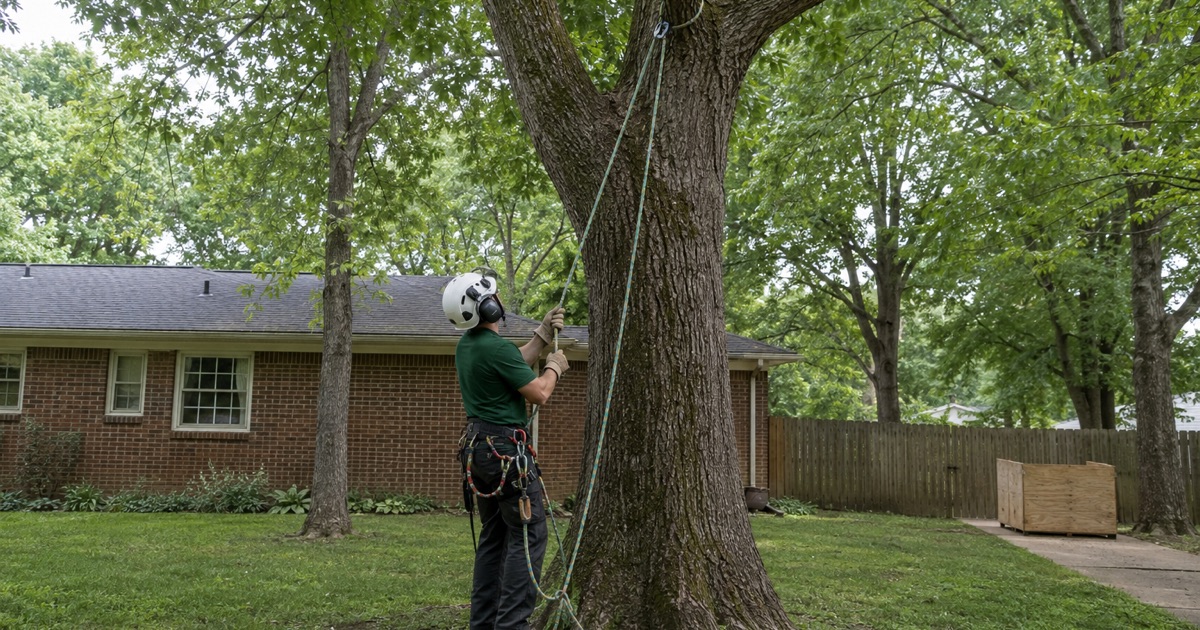
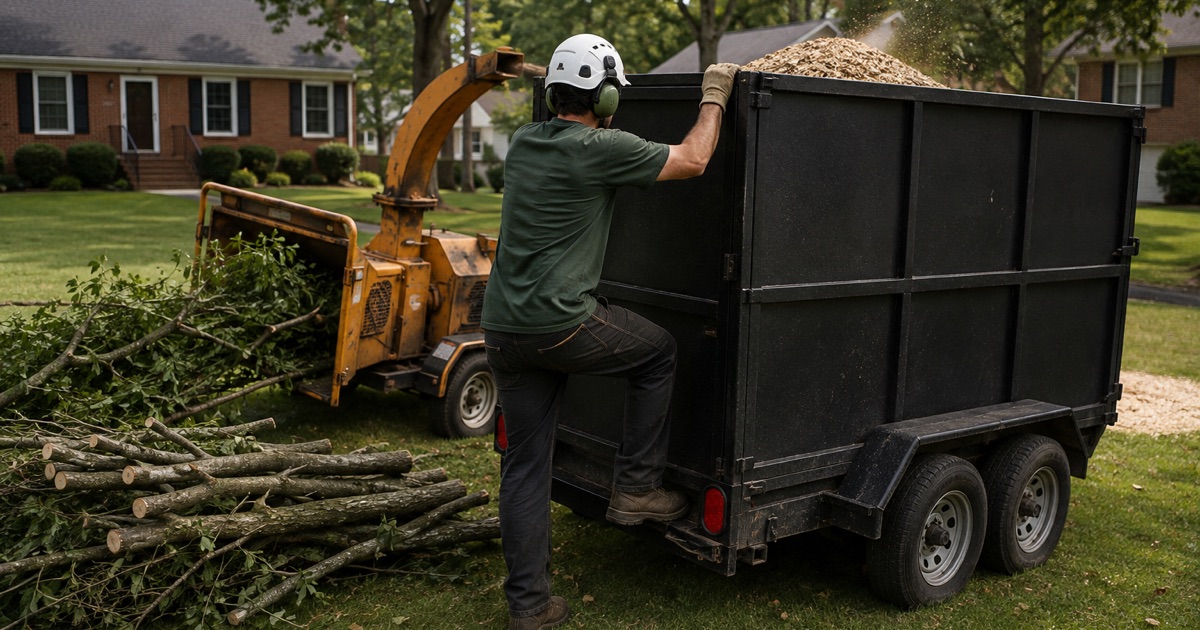
Huntsville requires no city permit to take a tree off your own private lot. That is the plain answer, and it is the opposite of what most homeowners expect after reading a permit page written for a different state. The city’s vegetation chapter reaches public land and the right of way; it does not reach the tree standing in your back yard.
The Six-Inch Rule on Public Land and in the Right of Way
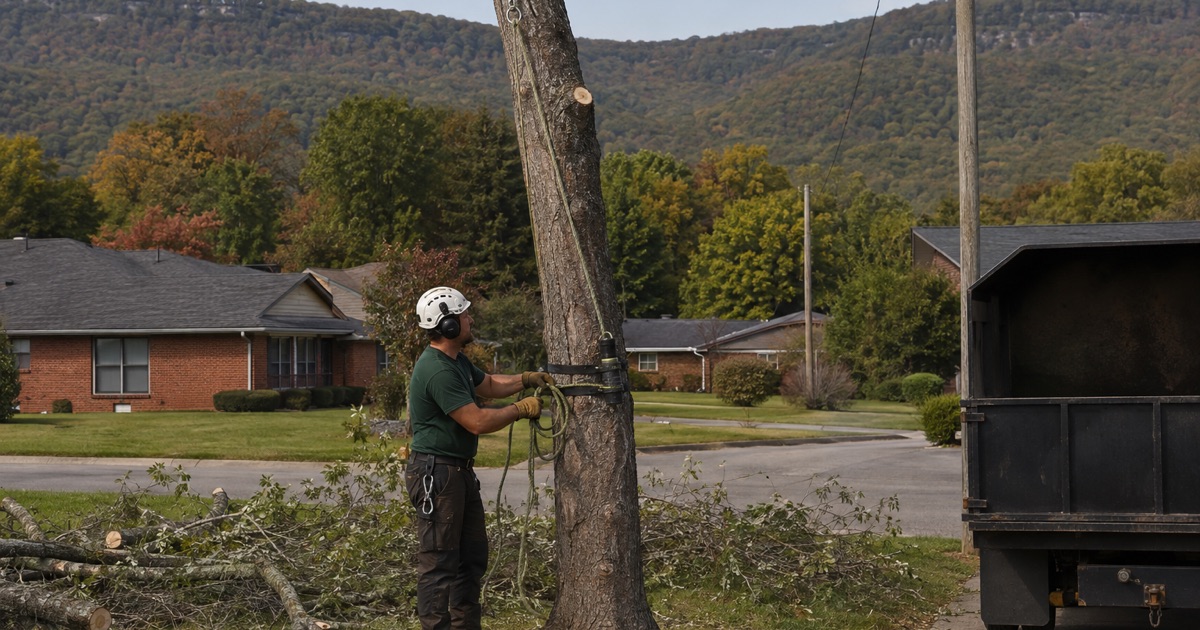
Where the ordinance does bind is public land and the right of way, and there a tree at or above six inches in diameter goes through the City Arborist rather than through a contractor. We establish which side of that line a tree stands on before quoting it, because the answer changes who is legally allowed to authorize the work at all.
The Strip Between the Sidewalk and the Street
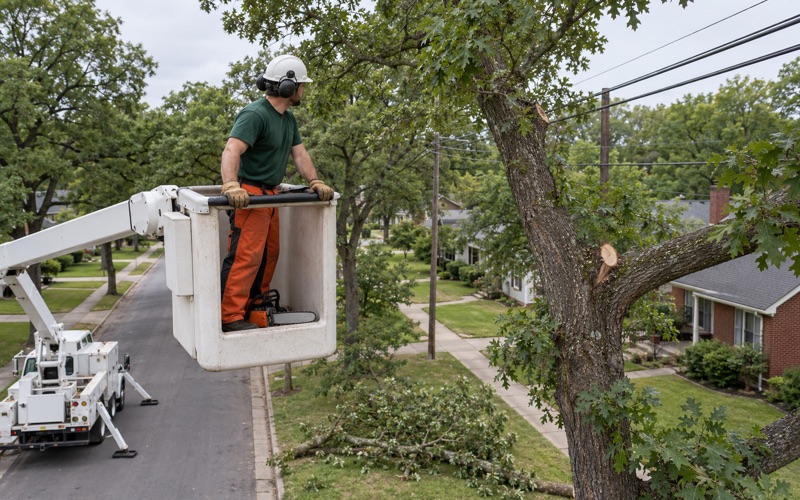
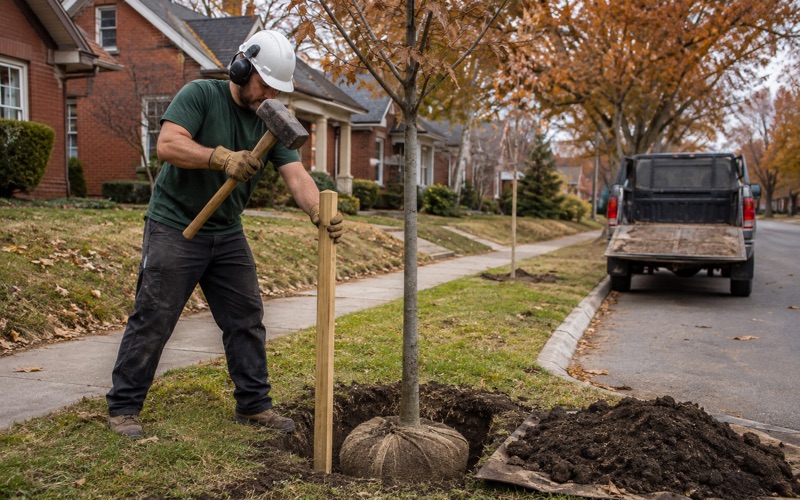
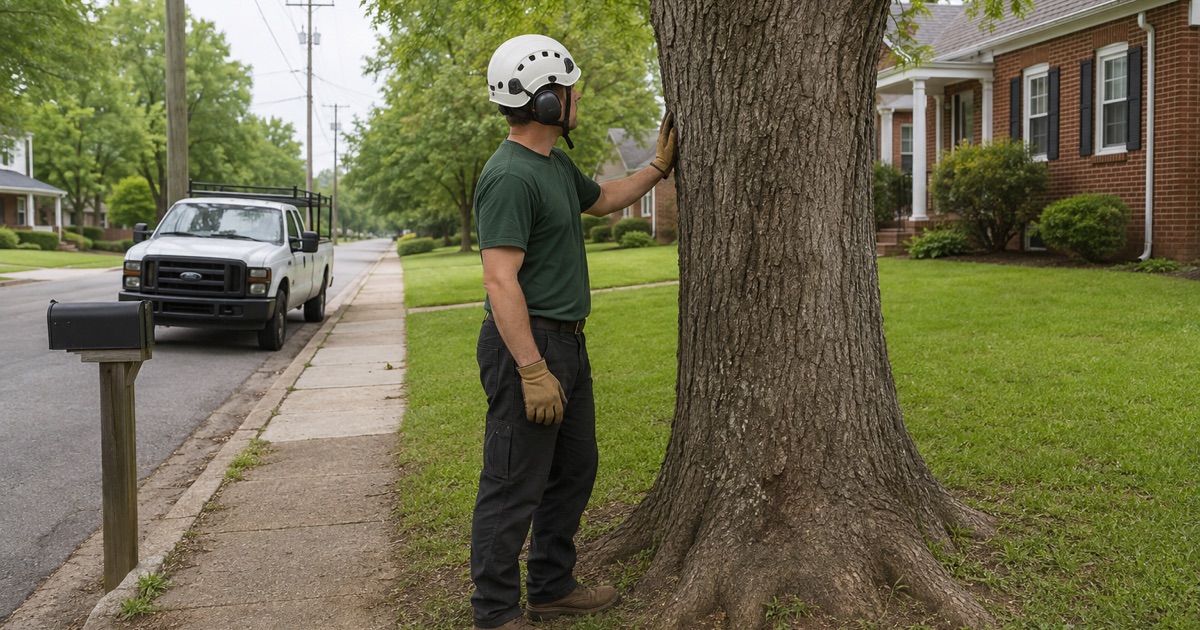
The planting strip between the sidewalk and the curb is right of way through most of this city, so the tree standing in it is not yours to cut even though you mow around it every week. Homeowners get quoted on those trees by contractors who never checked. It is a City Arborist question and we route it there.
Historic District Lots: The Tree Is Exempt, the Terrace Is Not
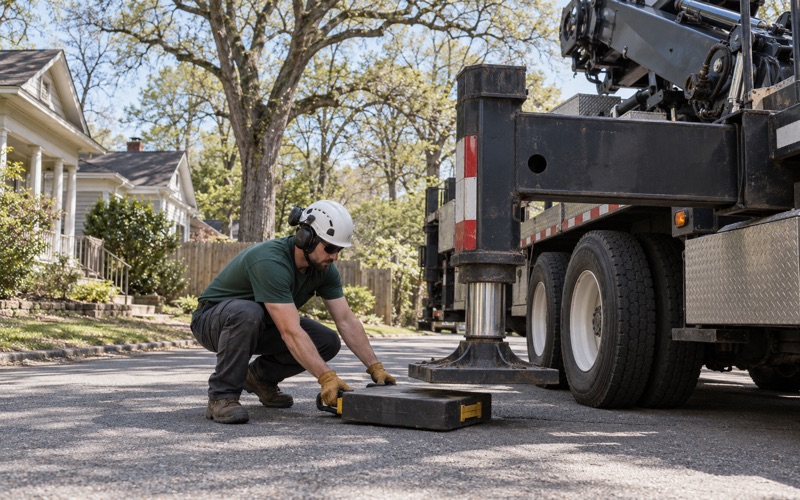
Huntsville has four locally designated historic districts, and the Certificate of Appropriateness process carries an explicit landscaping exemption, so an ordinary tree removal is not a trigger for it. Taking out a terrace wall, a fence or a section of drive to get a machine to that tree is a different matter, and that is where the review actually applies.
Subdivision Covenants and Architectural Review Committees
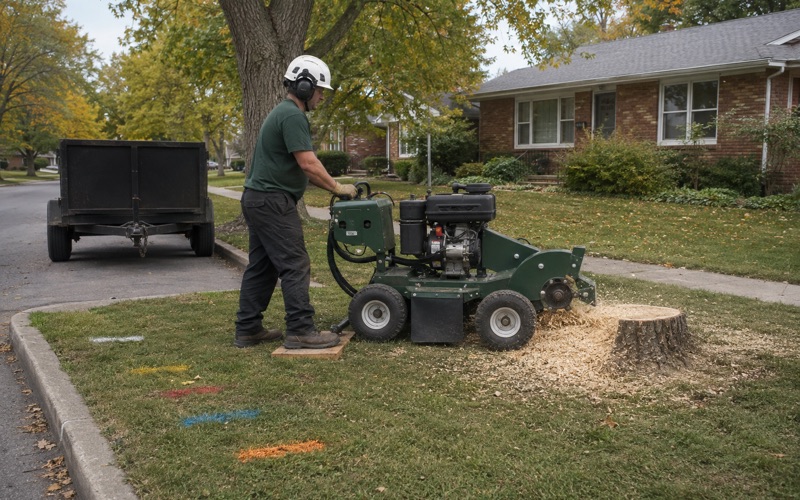
A subdivision covenant binds where the city does not. Plenty of Madison County neighborhoods built since 1990 run an architectural review committee with its own tree language, and that committee has no connection to the City Arborist whatsoever. We ask which subdivision an address sits in before writing the estimate, not after the stump has been ground out.
Unincorporated Madison County, Where No City Ordinance Reaches
Outside any city limit no municipal tree ordinance reaches the yard at all, because the county regulates land disturbance and building rather than the removal of a tree from a private lot. That covers a large share of the addresses we work around New Market, Hazel Green and Moores Mill, which leaves the covenant question as the only one left standing.
A Neighbor’s Tree Leaning Over Your Fence
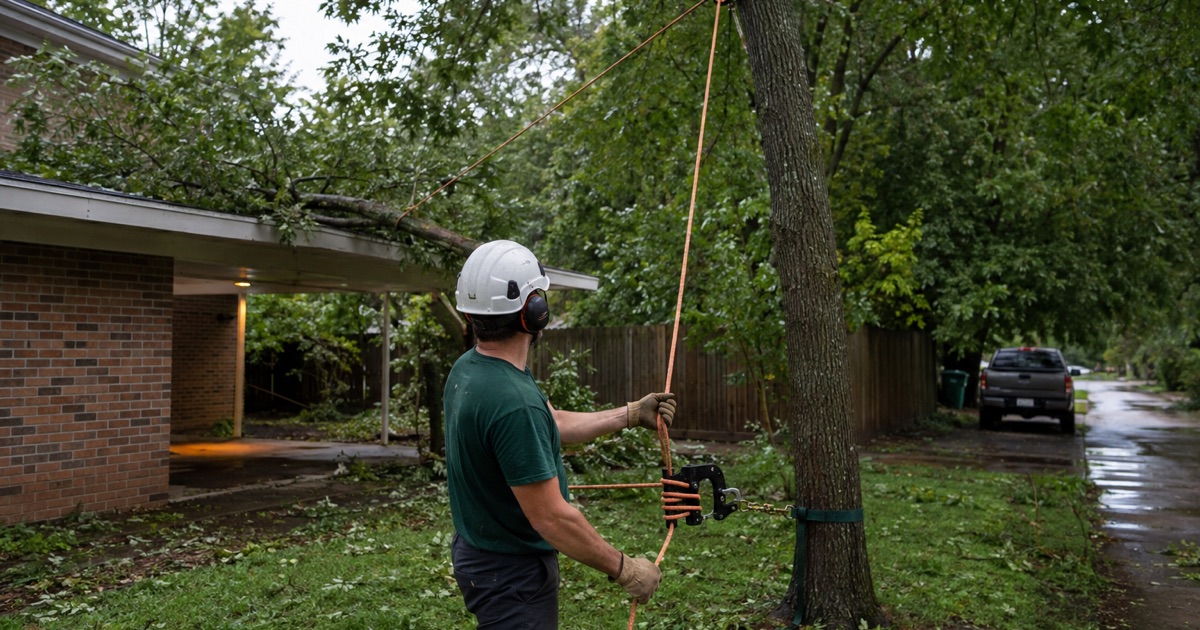
Alabama recognizes a landowner’s right to cut vegetative protrusions, branches or roots, that extend onto their own property, up to the line and no further. What that does not give you is a right to enter the neighbor’s yard or to take the tree itself down. We prune back to the boundary and put the limit in the written scope.
Boundary Trees on the Line, and Why Neither Owner Cuts Alone
Where the trunk itself straddles the boundary, Alabama treats the tree as held in common by both owners and one owner may not cut it. The Alabama Court of Civil Appeals settled that in Young v. Ledford in 2009. Neither neighbor should authorize a removal on a boundary trunk without the other, and we will not book one on a single signature.
Getting a Hazard Put in Writing Before a Letter or a Claim
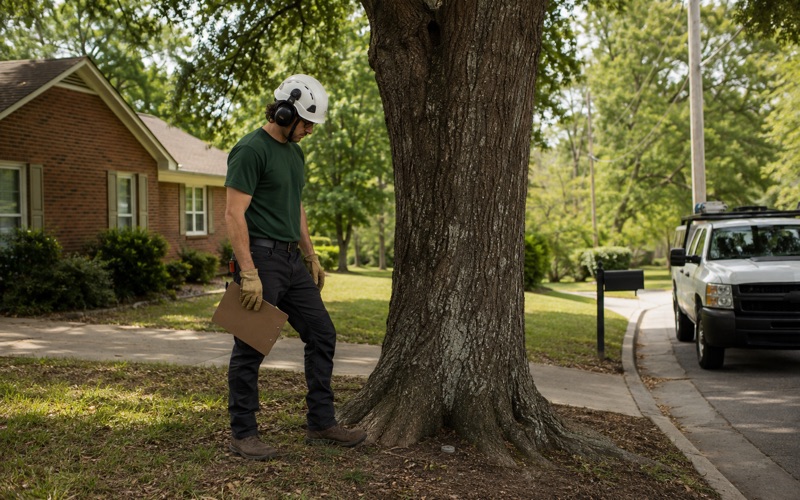
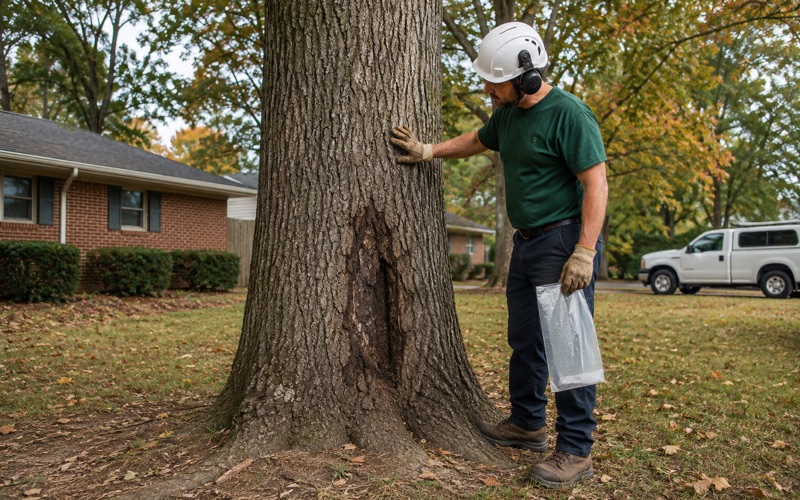
Written condition and risk documentation is a deliverable here with its own price, not something folded into a sales visit. It is what a boundary letter, an insurance claim or an airport height question actually needs: the finding, the evidence standing behind it, and the date it was observed, rather than a verbal opinion offered at the end of a driveway.
What Alabama Licenses as Tree Surgery, and What It Leaves Out
The state rule defines tree surgery as cavity filling, repair, bracing, cabling and wound treatment, and expressly excludes pruning; removal is not named in the definition at all. The same rule sets a minimum insurance requirement only for the three structural pest control categories, so tree surgery carries no state insurance minimum whatsoever. Ask any bidder what they actually carry.